Getting care
Telehealth, clinic, urgent care or the ER?
Four ways to get care, wildly different costs, and a practical guide to choosing the right one at eight on a Tuesday evening.

Deciding where to go when you are unwell is genuinely difficult, and the cost difference between the right answer and the wrong one can be a factor of twenty. Here is how we think about it.
The first rule overrides everything else: if it could be an emergency, treat it as one. Nothing below applies to chest pain, stroke symptoms, severe difficulty breathing, heavy bleeding, a serious head injury, a seizure, or a baby under three months with a fever. Those go to 911 or the nearest emergency department, now.
Telehealth works well for
A video visit is a real appointment with your own provider, and for a good number of problems it is the fastest route to the same answer.
- Follow-up on something we are already treating
- Medication questions and adjustments
- Rashes and skin changes that can be shown to a camera
- Mental health visits and medication reviews
- Cold, flu and sinus symptoms in an otherwise healthy adult
- Results discussions
Come into the clinic for
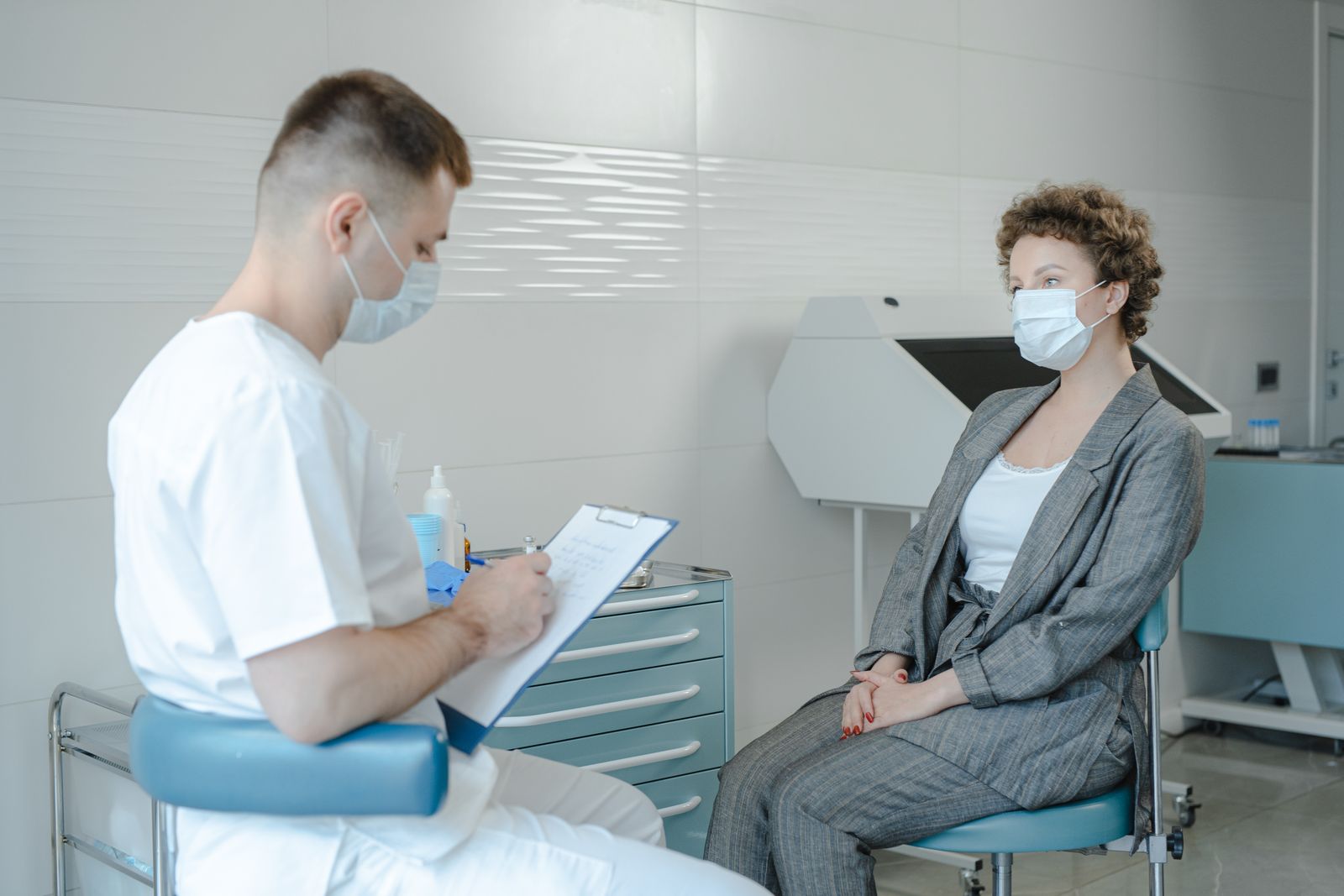
Anything that needs hands, instruments or a same-day lab. That covers ear pain, sore throats where a strep test matters, abdominal pain, injuries, new lumps, chest congestion that needs listening to, and anything where the honest answer to 'can I tell over video?' is no.
Same-day slots are held every weekday morning at all three clinics, and Saturday mornings at Riverpoint. Calling before 10 am gives the best chance of a same-day time. A clinic visit with your own provider is almost always cheaper than urgent care and always better documented, because the person seeing you has your whole record.
Urgent care is the right call when
We are closed, it cannot wait until morning, and it is not an emergency. That is the whole test.
Typical examples are a deep cut needing stitches on a Sunday, a suspected simple fracture, or a child with a high fever at nine at night. Urgent care is useful and there is no reason to avoid it when it is the right fit.
If we are open, call us first. Most of what sends people to urgent care can be seen here the same day, for less.
The emergency department
Emergency departments exist for genuine emergencies and are worth every penny when you need one. They are also the most expensive way to treat a urinary tract infection by a wide margin, and the wait for a non-urgent problem can run for hours because triage correctly puts sicker people first.
Go without hesitating for: chest pain or pressure, sudden weakness or difficulty speaking, severe shortness of breath, uncontrolled bleeding, a serious head injury with confusion or vomiting, a seizure, severe abdominal pain, thoughts of harming yourself, or a fever in a baby under three months.
When you cannot tell
Call the clinic during opening hours, or the nurse line in the evening. Working out where you should be is exactly what that line is for, and nobody minds the call.
Patients apologise for this constantly. They should not. Five minutes on the phone regularly saves somebody a four-hour wait and a large bill, and occasionally it sends somebody to the emergency department who was planning to sleep on it.
This is general guidance rather than advice about your particular situation. When in doubt, err toward more care rather than less.
This article is general health information written for a website demo. It is not medical advice and does not replace a conversation with your own provider. If this is an emergency, call 911.