Prevention
What actually happens at an annual wellness visit
Forty minutes, one exam and a written schedule of what you are due for. Here is what a yearly visit covers and how to get the most out of yours.
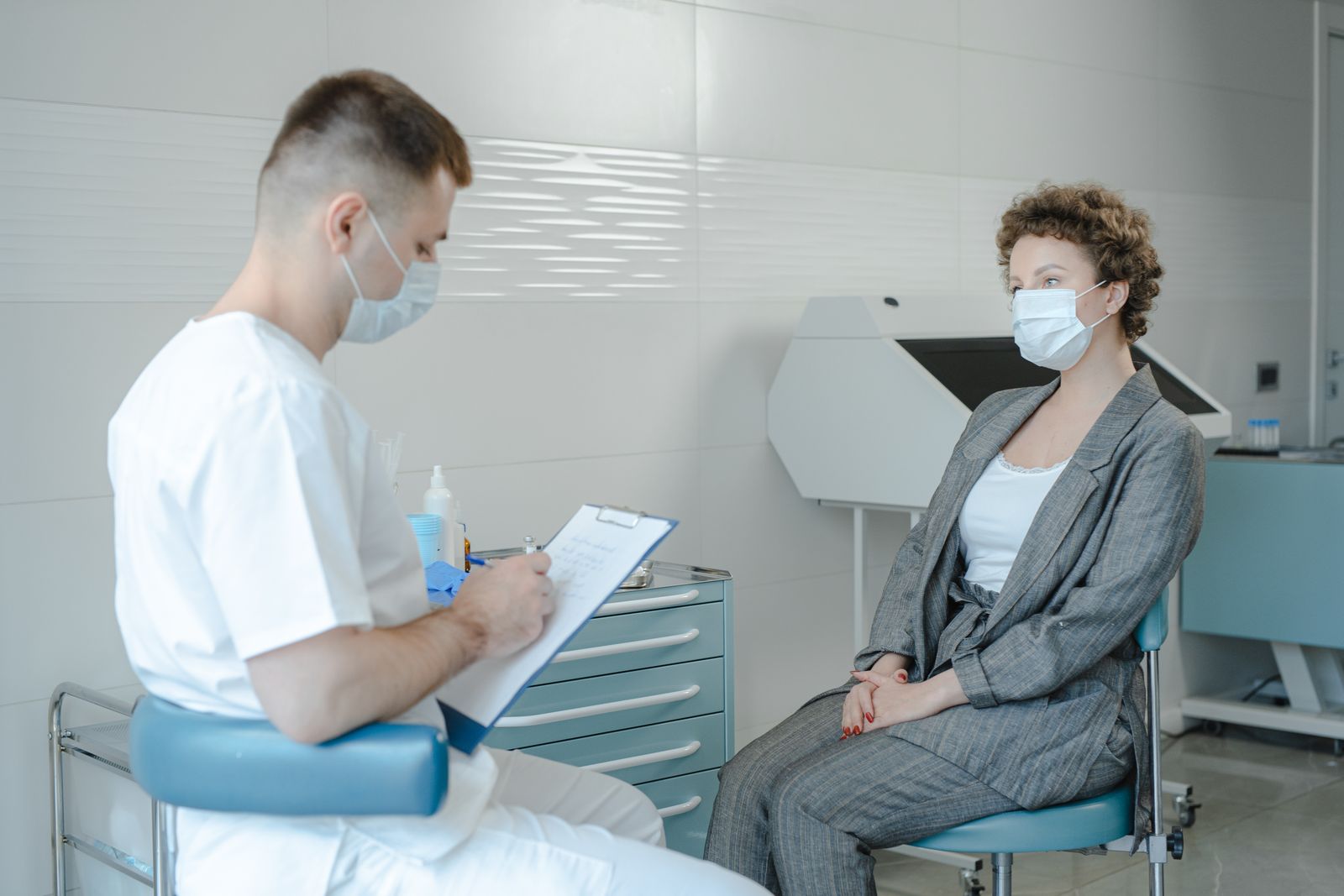
Plenty of people book an annual physical without being sure what it is for. If the last one you had was a school sports form, the adult version can feel vague: you are well, you are booking an appointment anyway, and it is not obvious what the doctor is looking for.
The short answer is that the annual visit is where we do the work that does not fit into a fifteen-minute sick appointment. It is the one time each year with enough room to look at the whole picture rather than the problem in front of us.
Before the visit
Two things make the appointment better and both take ten minutes at home. The first is filling in the intake form that arrives by text, which frees up time in the room. The second is writing down your questions.
Most people arrive with three or four things they meant to ask and remember one. If you write them down, we can decide together at the start which ones fit in today and which need their own appointment, rather than discovering at minute thirty-eight that the thing worrying you most has not come up.
- A current list of medications and supplements, with doses
- Any home blood pressure or glucose readings from the last few months
- What your parents and siblings have been diagnosed with, and at what age
- Your questions, written down
The exam itself
A medical assistant takes your height, weight, blood pressure and pulse, and goes through your medication list with you. Then you have about half an hour with your provider.
The physical exam covers heart and lung sounds, abdomen, skin, lymph nodes, thyroid, joints and a neurological check, and for some patients a breast, pelvic or prostate exam depending on age and history. None of it takes long. Most of the value of the appointment is in the conversation around it.
We also ask about things that are easy to leave unsaid: sleep, alcohol, mood, stress, whether you feel safe at home, and whether you have fallen in the last year if you are over 65. These are asked of everyone, every year, so that nobody has to be the one who raises them.
The screening schedule
The part patients tend to find most useful comes at the end. Based on your age, sex, family history and personal risk, we write out what screening you are due for now and what is coming in the next few years.
That might include a colorectal screening kit or a colonoscopy referral, a mammogram, cervical cancer screening, a bone density scan, lung cancer screening if you have a significant smoking history, a cholesterol panel, an A1c, or a hepatitis C test. It might also include things you can safely skip, which is just as useful to know.
A screening schedule you can read is worth more than one your doctor is carrying around in their head.
Labs and results
If blood work is needed, it is drawn in the building, usually straight after the appointment. Most results are back the same day and all of them are posted to the portal with a note from your provider explaining what they mean, including the normal ones.
Anything genuinely abnormal gets a phone call. We do not leave people to interpret a red flag on a screen at eleven at night.
One thing worth knowing about billing
Most insurance plans cover a preventive annual visit in full. If a new problem comes up during that visit and needs real evaluation, part of the appointment may be billed as a separate office visit. That is a rule of how preventive care is coded, not a decision we make.
What we can do is tell you when it is about to happen, so you can choose whether to deal with the new problem today or book a separate appointment. Ask, and you will get a straight answer.
If you are overdue for a physical, a good rule is that the longer it has been, the more useful the visit is. Nobody at this clinic is going to make you feel bad about the gap.
This article is general health information written for a website demo. It is not medical advice and does not replace a conversation with your own provider. If this is an emergency, call 911.